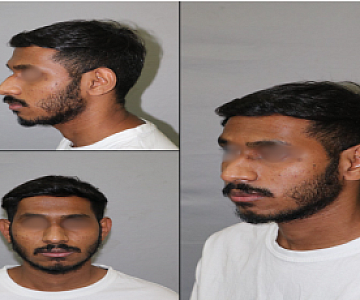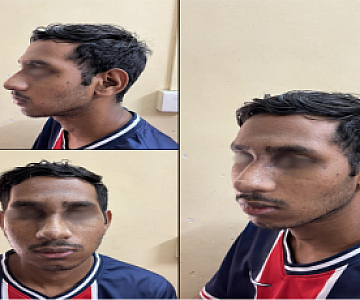

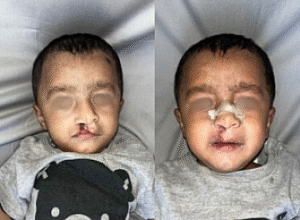
Rhinoplasty is the surgical correction of a deformity in the nose. It could be both from functional problems as well as cosmetic reasons. Correction of the deviated septum or septoplasty is the most commonly done surgery in the nose. The surgery relieves persistent blockage of the nasal cavity along with straightening the deviated septum..
Indications of Rhinoplasty:
Rhinoplasty is indicated for individuals seeking correction of various nasal deformities and functional issues. Common indications include a deviated septum that affects breathing, the presence of a nasal hump, or the need to narrow a broad nose for better facial harmony. It is also performed to correct alar flare, refine tip deformities, and enhance the nasal dorsum through augmentation. Additionally, rhinoplasty plays a key role in addressing cleft nasal deformities, helping restore both the aesthetic appearance and functional structure of the nose.
Preoperative Advice:
A consultation in the OPD is done to discuss the abnormality and photographs in various angles are taken to assess and understand the changes possible in the nose. A pre-anasthesia checkup is done and date of surgery decided. Scrub bath is required for 2 days prior to surgery. Admission may be done on the previous night or on the morning of surgery.
The Surgery:
The surgery is almost scarless, with a very small scar in the columella of the nose in some cases. All modifications of the nose are then made according to preoperative planning. In cases of augmentation of the nose, part of the nasal cartilage is used to make the respective changes. In a very small percent of cases, the surgery may require usage of costal cartilage taken from the chest or from the ear, as decided before. Now the cartilages are moulded according to the desired shape of the nose and placed in appropriate positions. Further modifications are done accordingly. The nose is plastered immediately following the surgery.
Postoperative concerns:
Due to the plaster the surgical changes are not seen immediately. The plaster is removed in 10 days time. Surgery brings a lot of edema to the nose and hence final results are visible after 2-3 weeks following surgery when the edema subsides.
Complications: Possible complications of rhinoplasty include patient dissatisfaction with the aesthetic outcome, scarring along the columella, and anesthesia-related risks. Postoperatively, patients should be aware that the surgical results are not immediately visible due to the plaster cast applied to the nose, which is typically removed after about 10 days. Additionally, postoperative swelling (edema) is common, and the final shape and refinement of the nose become apparent only after 2 to 3 weeks, once the swelling gradually subsides.
Contra-indications: Rhinoplasty is contraindicated in individuals with bleeding disorders, as these conditions increase the risk of excessive bleeding during and after the procedure. It should also be avoided in patients who are medically unfit for surgery or have active infections in the nasal region, as these factors can lead to complications and poor healing outcomes.
Careful patient evaluation and preoperative assessment are essential to ensure safety, minimize risks, and achieve optimal surgical results.


See Our Proven Results